Film develop + DSLR scan for 35mm and 120 format films. Price is per roll of film, 35mm or 120, color or black and white.
DSLR Scans provide superior image quality and color depth. The image files you receive will have significantly more room to edit in post and make adjustments when compared to traditional film scans. We’re personally editing each frame of your film to ensure your images are representative of the film stock, your time, money, and effort spent shooting them.
Our standard resolution for scans is comparable to other lab’s “XL+” size scans. We provide images at ~9000 × 6000px for 35mm and 6000 to 8500px on the long side for 120 format, depending on the format aspect ratio of your images.
EXPLANATION OF OPTIONS:
Push / Pull Process:
No Push / Pull - We’ll develop normally. Choose this if you set your ISO on your camera to the ISO specified by the film manufacturer on your film canister / box.
Push Develop +1 Stop - We’ll extend the development cycle to counteract underexposure of the film. Choose this if you’ve intentionally or otherwise set the ISO on your camera to be one stop faster than recommended by the film manufacturer. For example, you’ve shot an 800 ISO film at a setting of 1600 ISO on your camera.
Push Develop +2 Stops - Same as above, but for +2 stops. For example, you’ve shot a 400 ISO film at a setting of 1600 ISO on your camera.
Post Processing:
Basic Scans - We DSLR scan the negative, then auto-convert it with software. We’ll perform some basic corrections to make sure your photos look great. This leaves some room for you to edit the photos yourself or can be shared as-is.
Premium Scan & Editing - We’ll spend significantly more time editing the photos to ensure better density, contrast, saturation, and color balance/consistency throughout the roll. If you’ve got a specific editing style you like, we’ll tune our editing to match your preferred style. Leave us some style references in the notes at checkout.
File Type:
JPEG - Standard high-quality JPEG files that provide enough data so you can still edit the files in post. ~9000 × 6000 pixels.
TIFF - These files are much larger and contain more data. Choose this if you’ve got big plans to edit these files significantly.
TIFF 4-Shot Pixel Shift - we’ll capture four consecutive RAW images and combine them into one image. In each of these photos, we capture full Red, Green, or Blue (RGB) data for every single pixel. Once we recombine the images in post, the resulting image is completely free of false (estimated) colors, color moiré, and represents a more accurate and robust set of color data to work with. Added bonus, it also more accurately renders film grain as it effectively bypasses the Bayer demosaicing filter.
Dust Removal:
Standard - We’ll digitally remove any large imperfections and do our best to reduce dust as much as possible, but you may find a few very small specks here and there to remove yourself in post for the photos you want to share or print. DSLR camera scanning does not have automated dust removal like other systems, but provides significantly better end image quality.
Professional - We give images a second pass and remove any and all dust/debris/imperfections by hand digitally. Images will be free and clear of all imperfections.

 Image 1 of 14
 Image 2 of 14
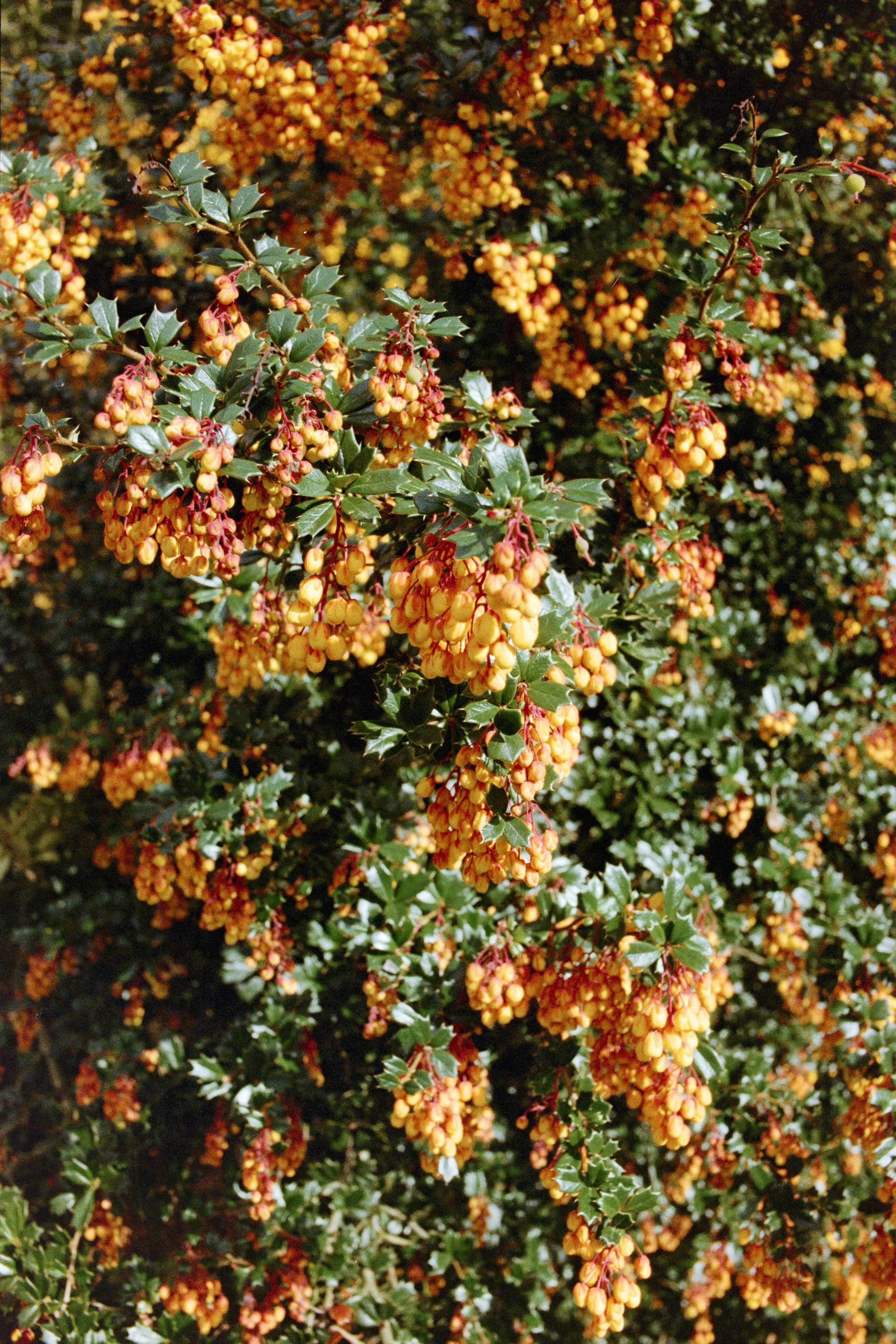 Image 3 of 14
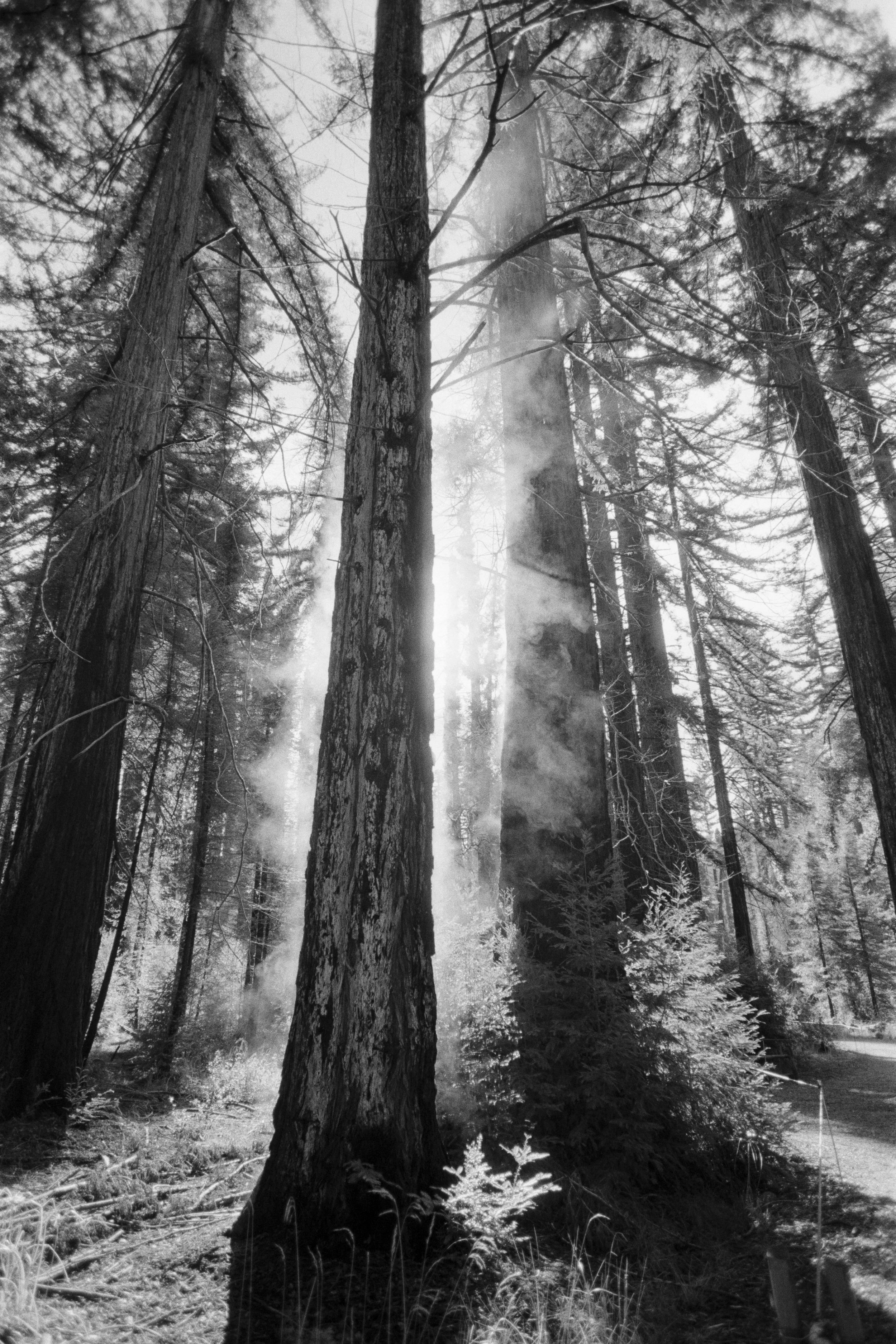 Image 4 of 14
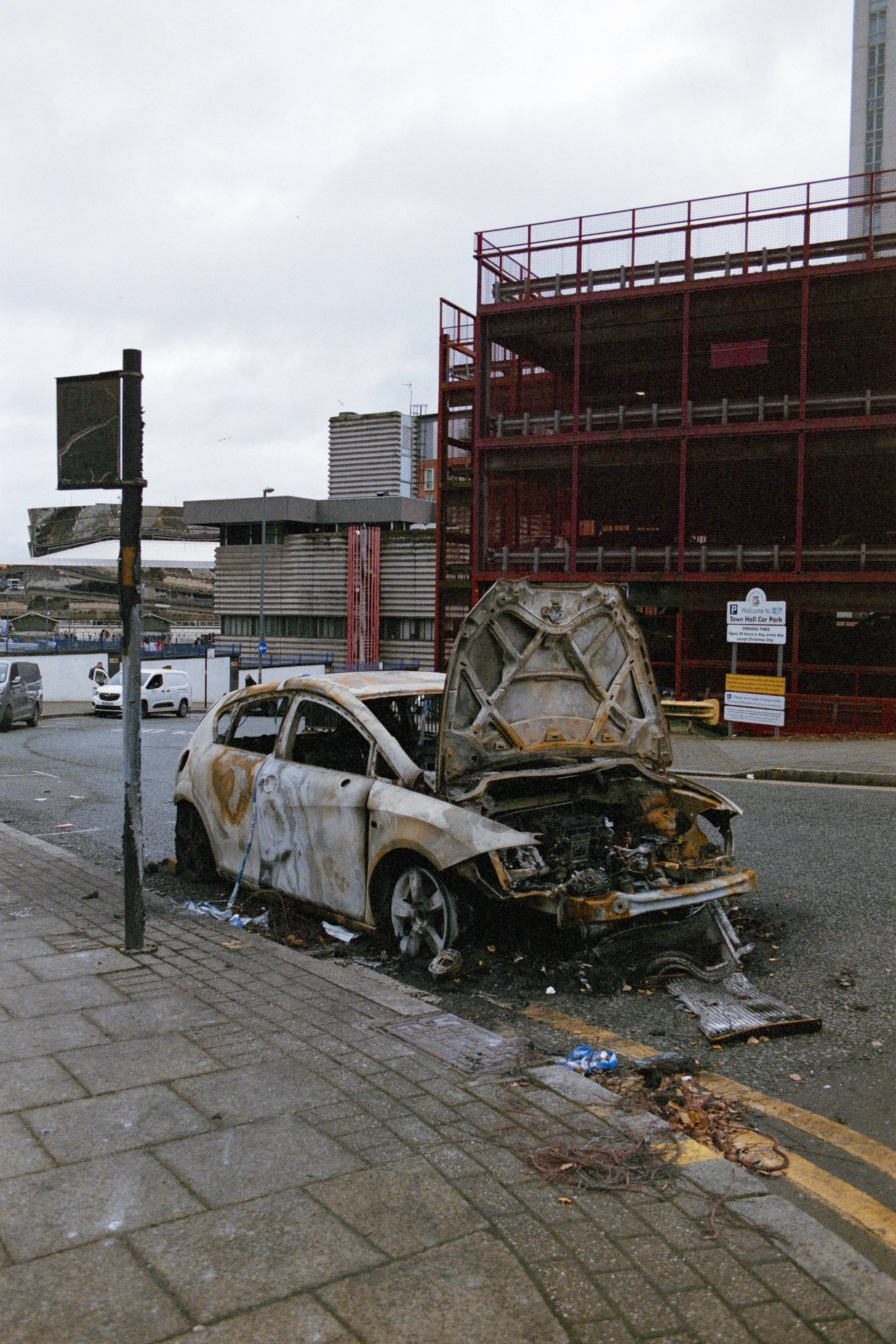 Image 5 of 14
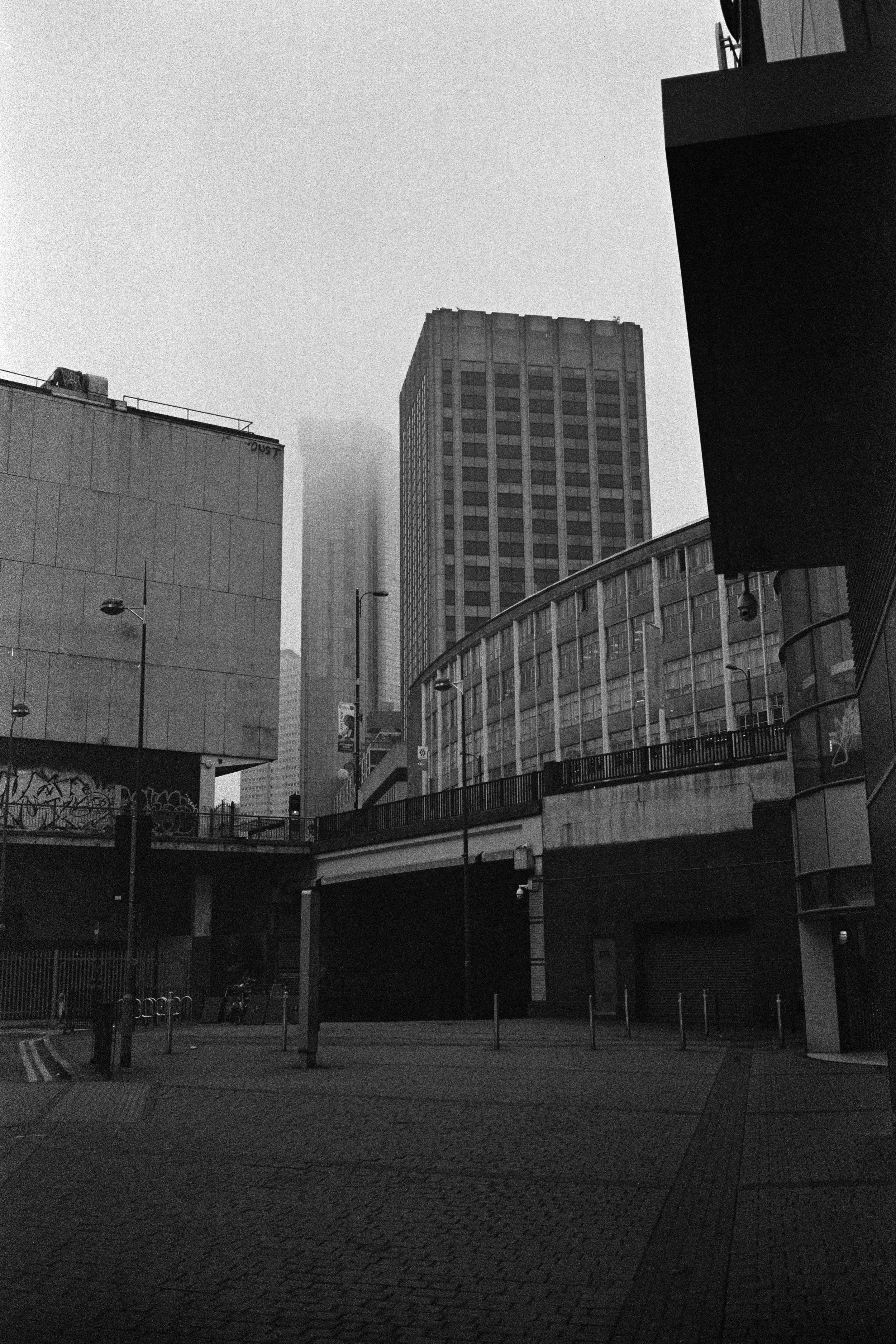 Image 6 of 14
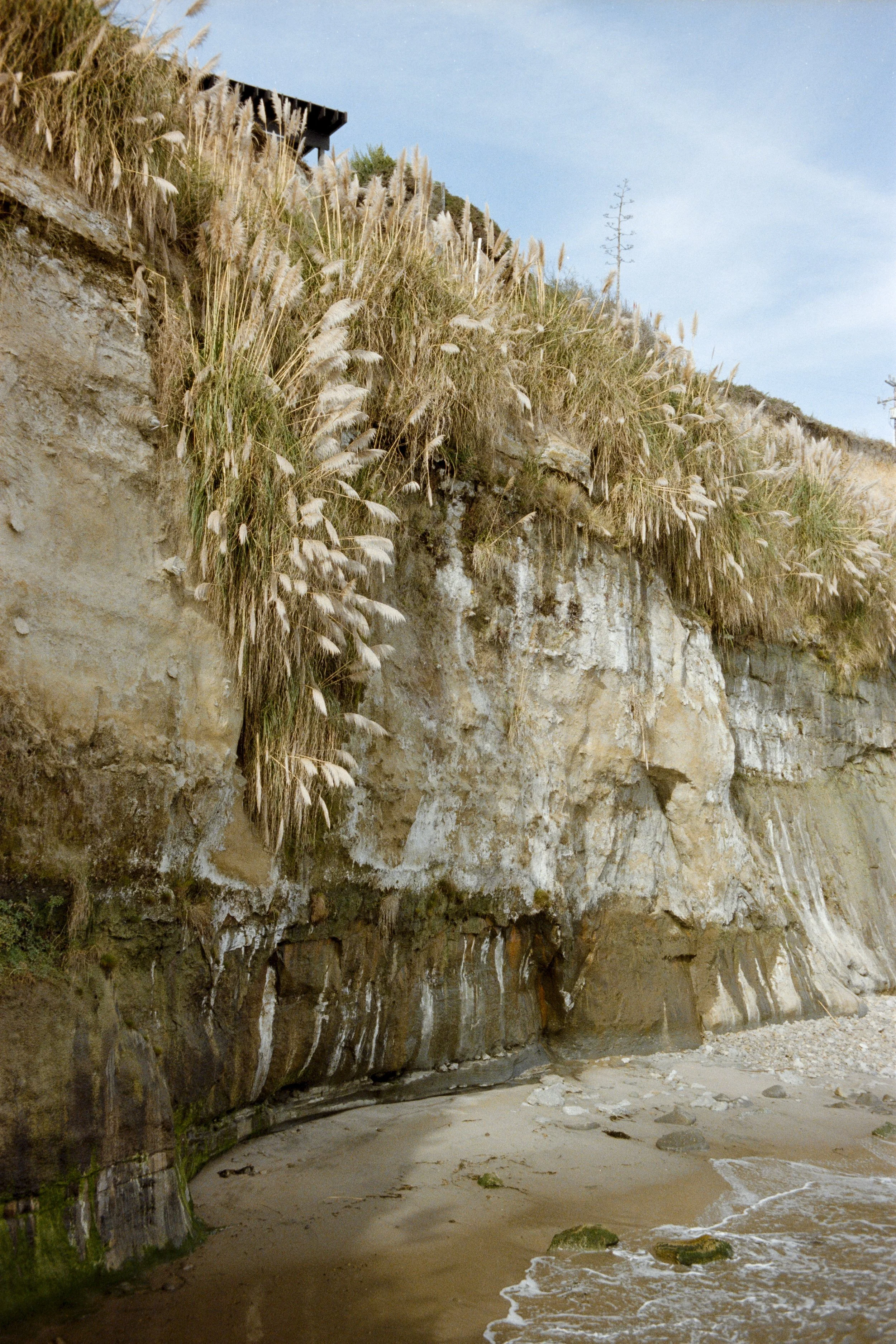 Image 7 of 14
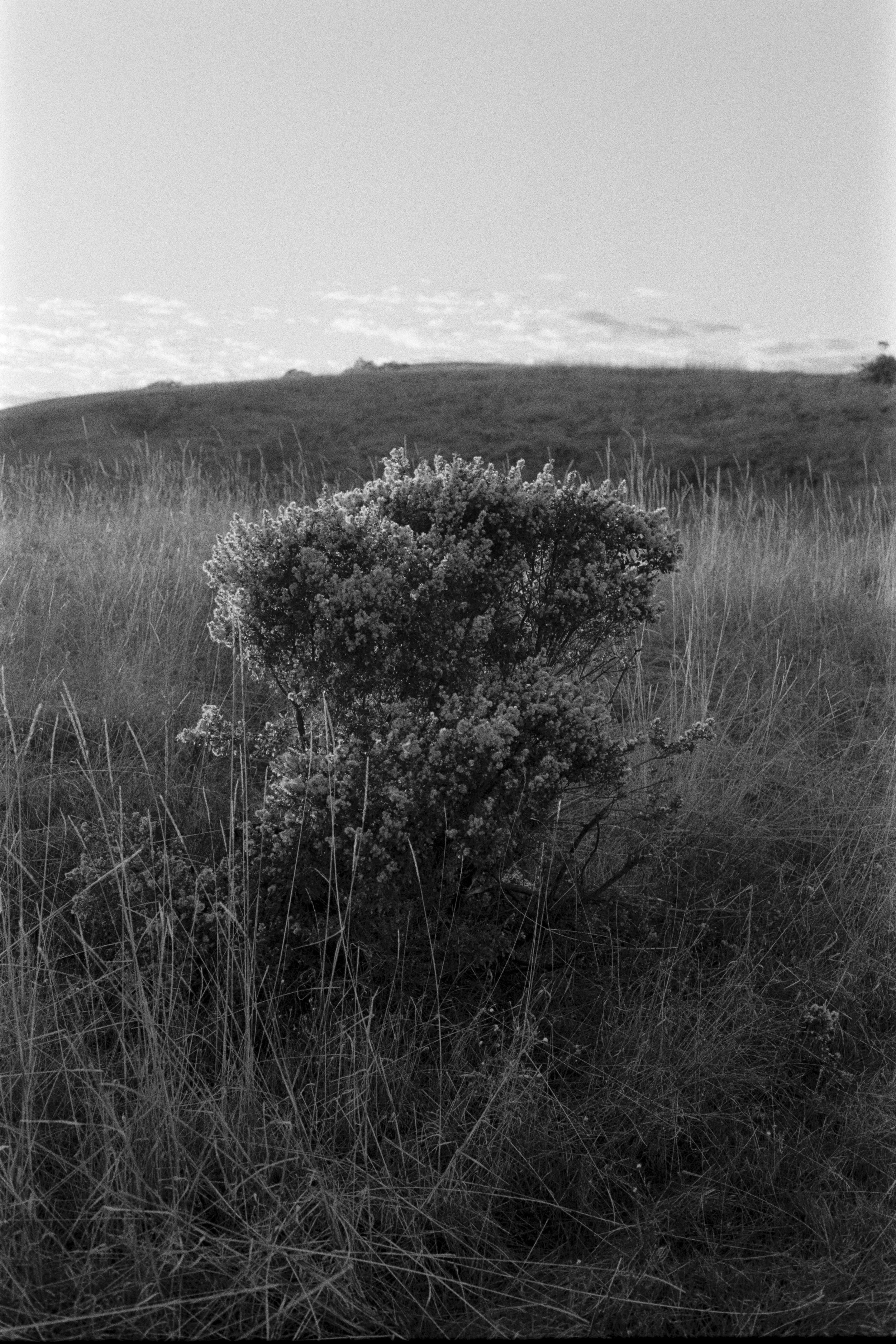 Image 8 of 14
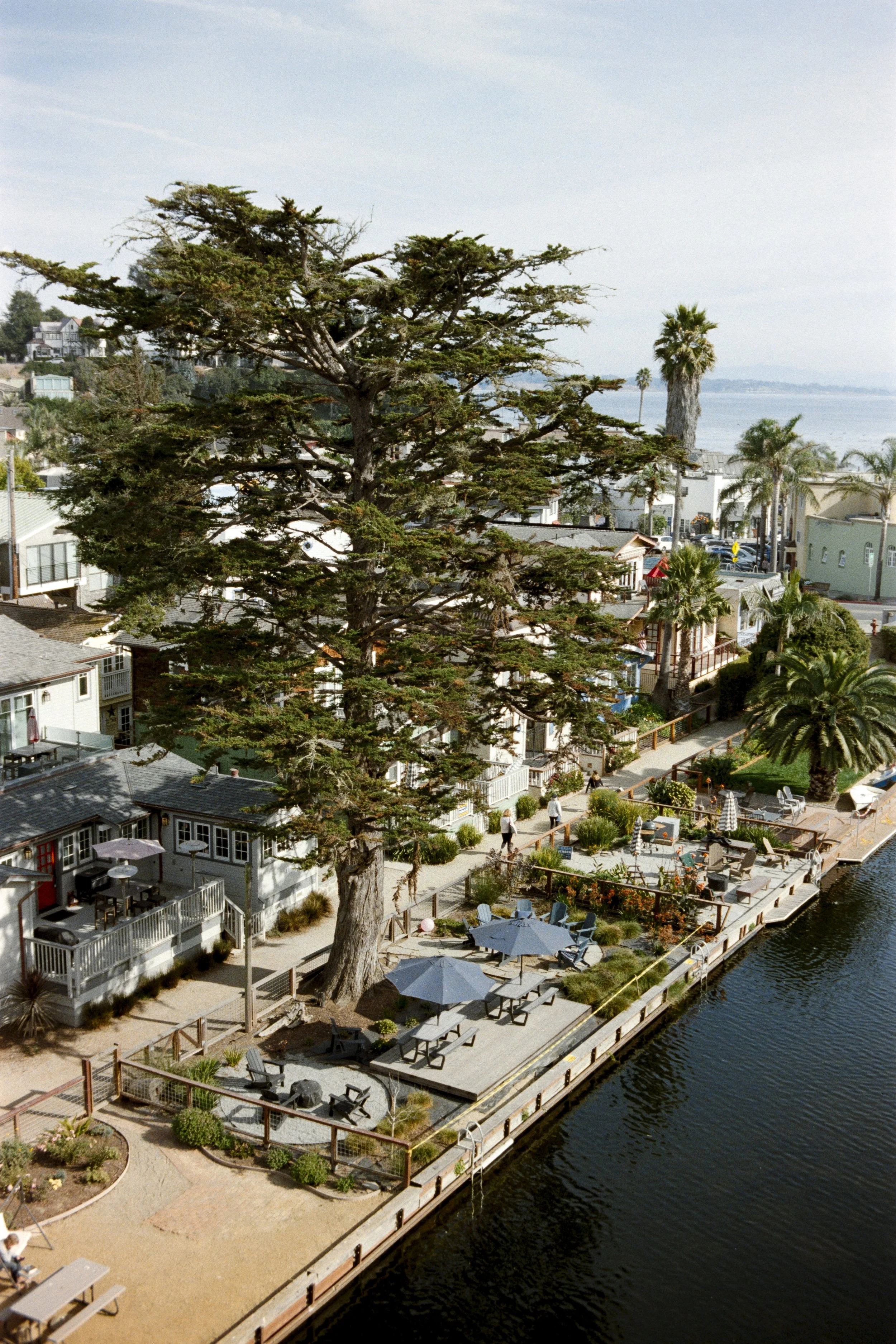 Image 9 of 14
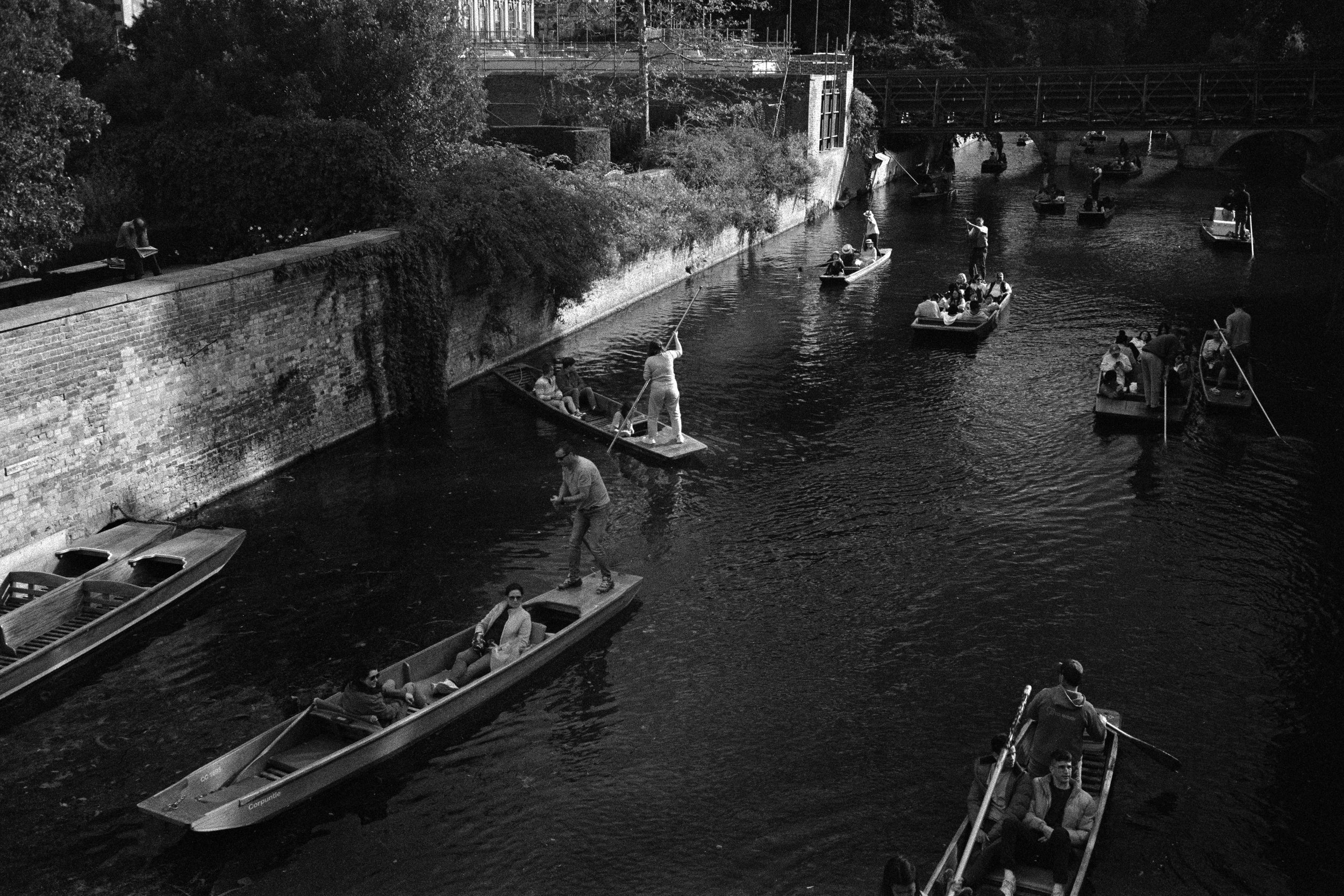 Image 10 of 14
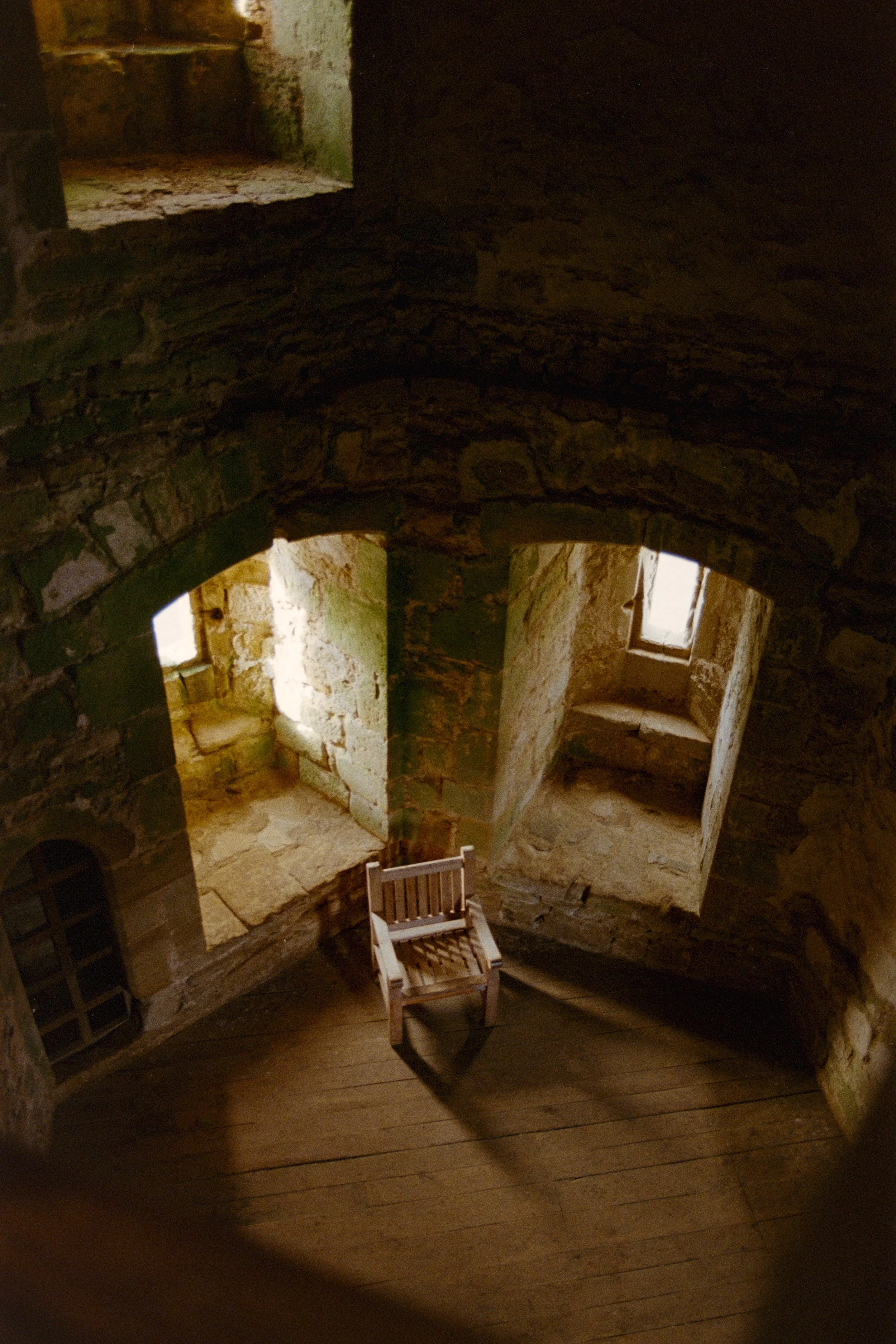 Image 11 of 14
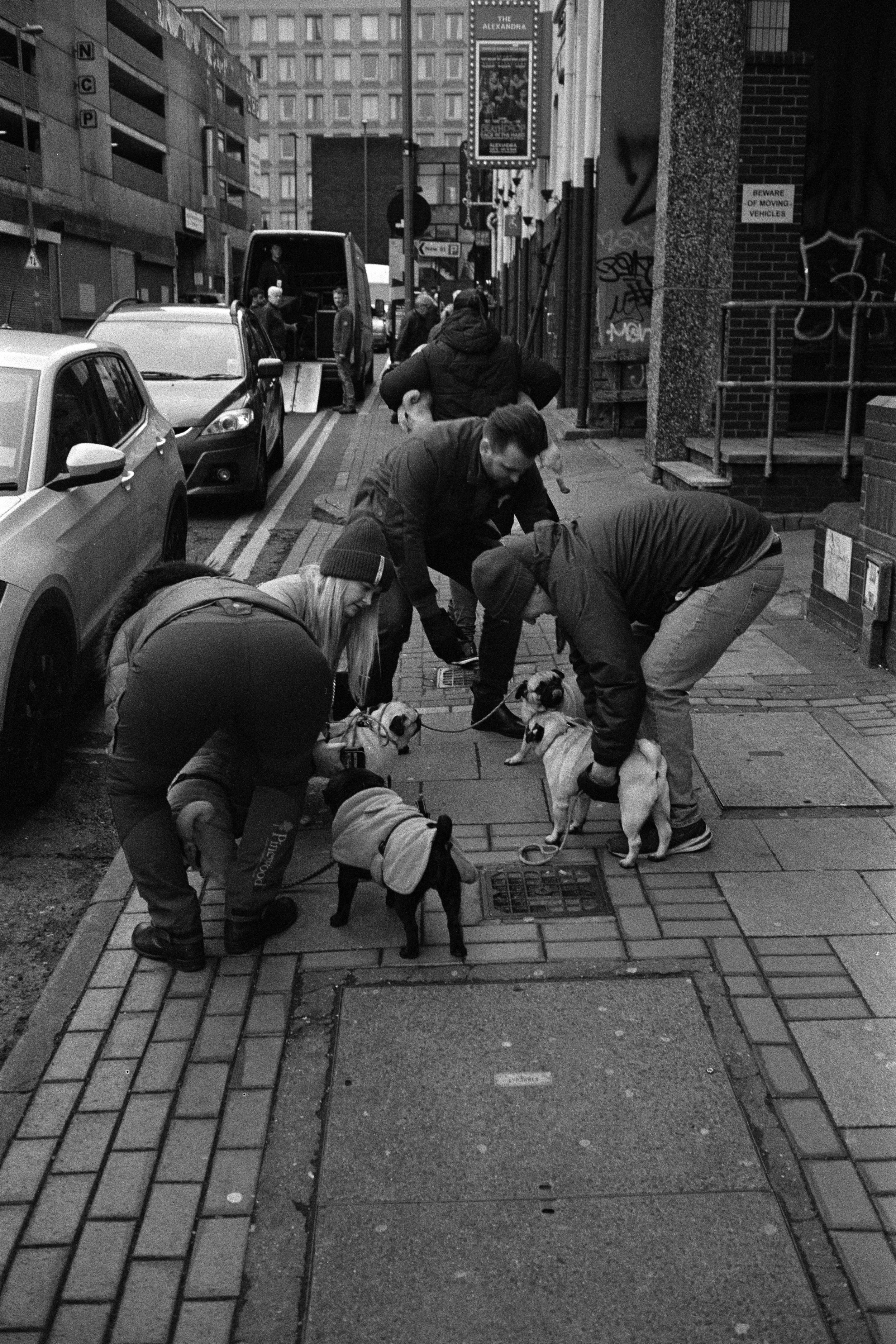 Image 12 of 14
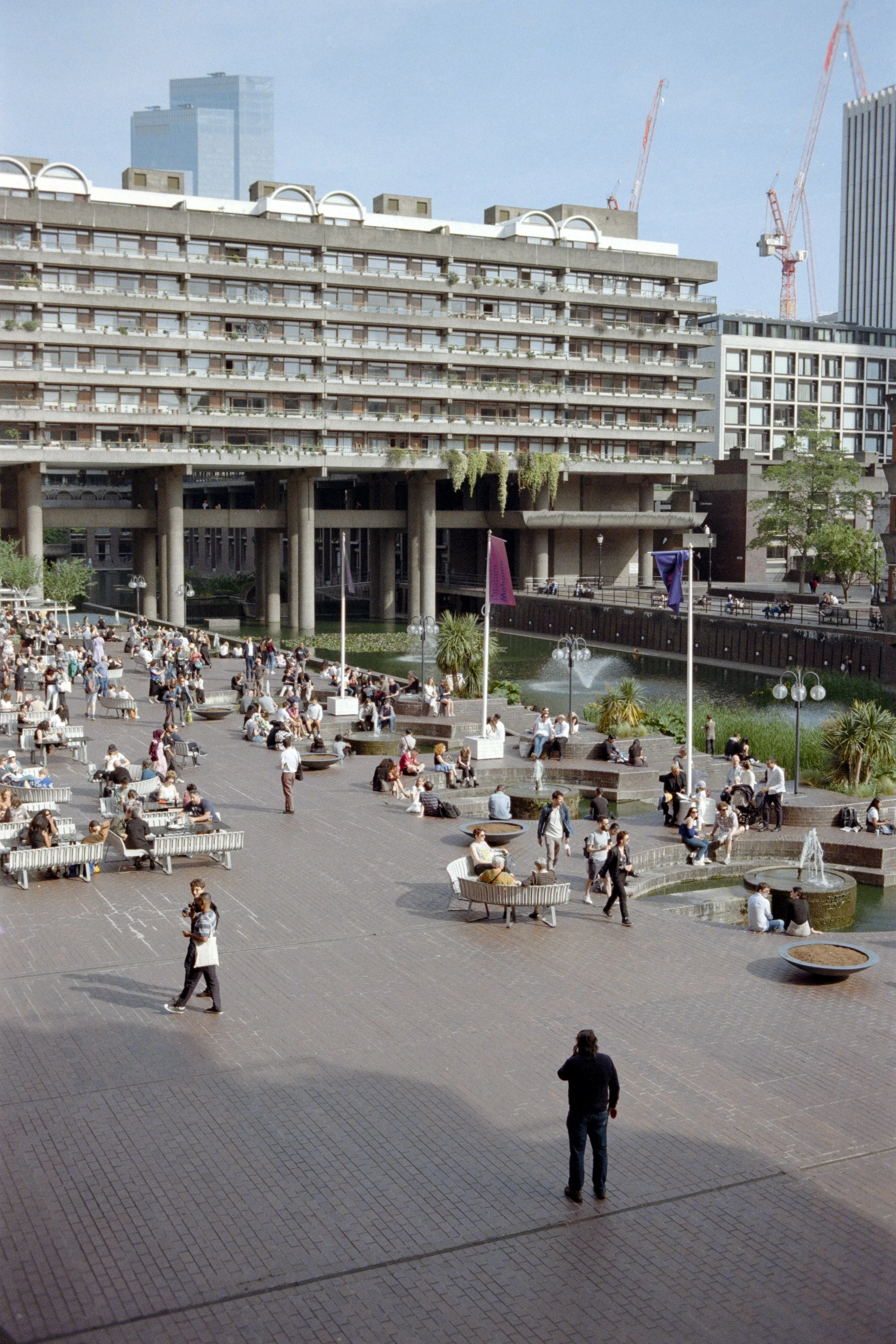 Image 13 of 14
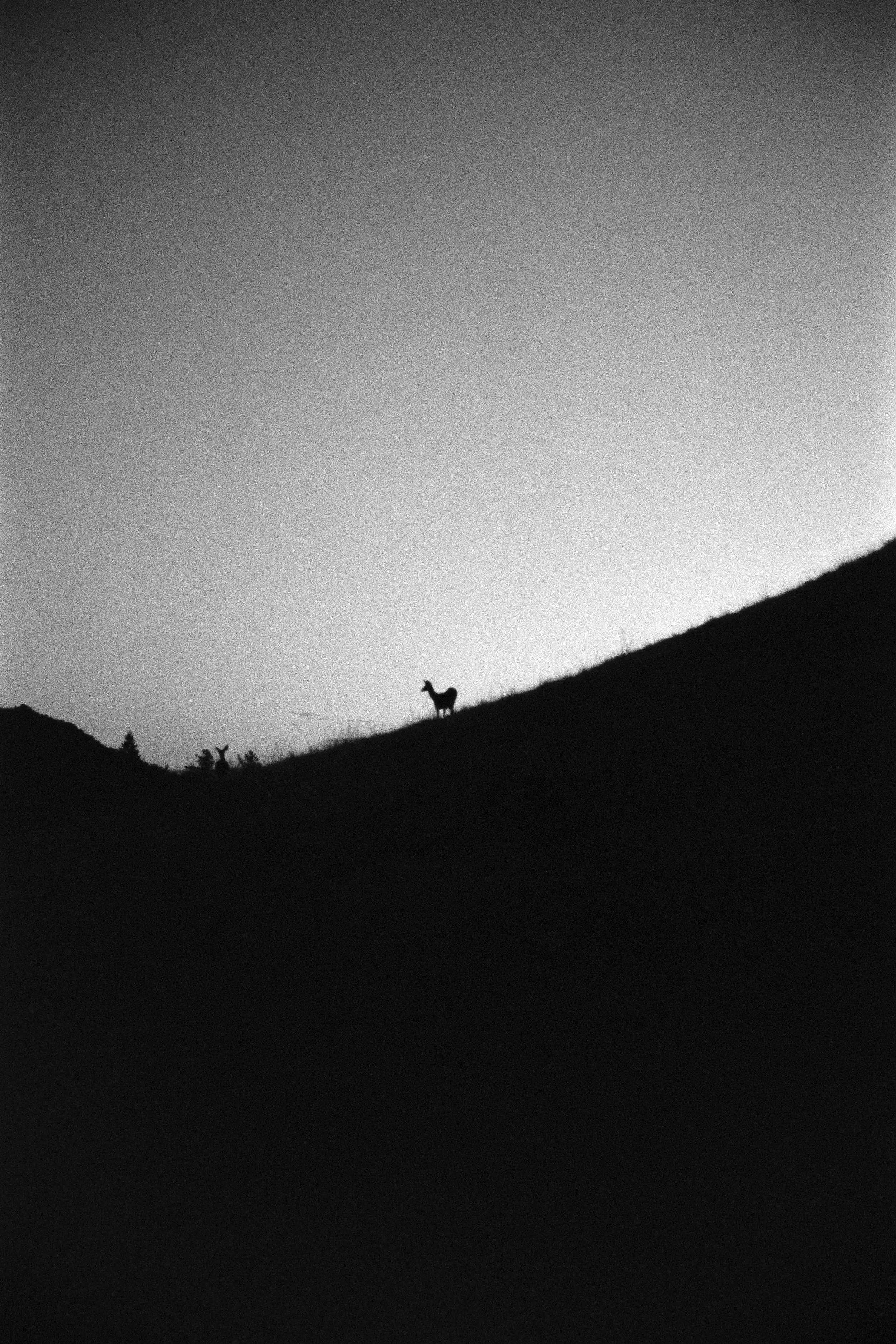 Image 14 of 14

